Built by one ultrarunner who got tired of blowing up in the back half.
⏵ meet the makerThe whole race on one page
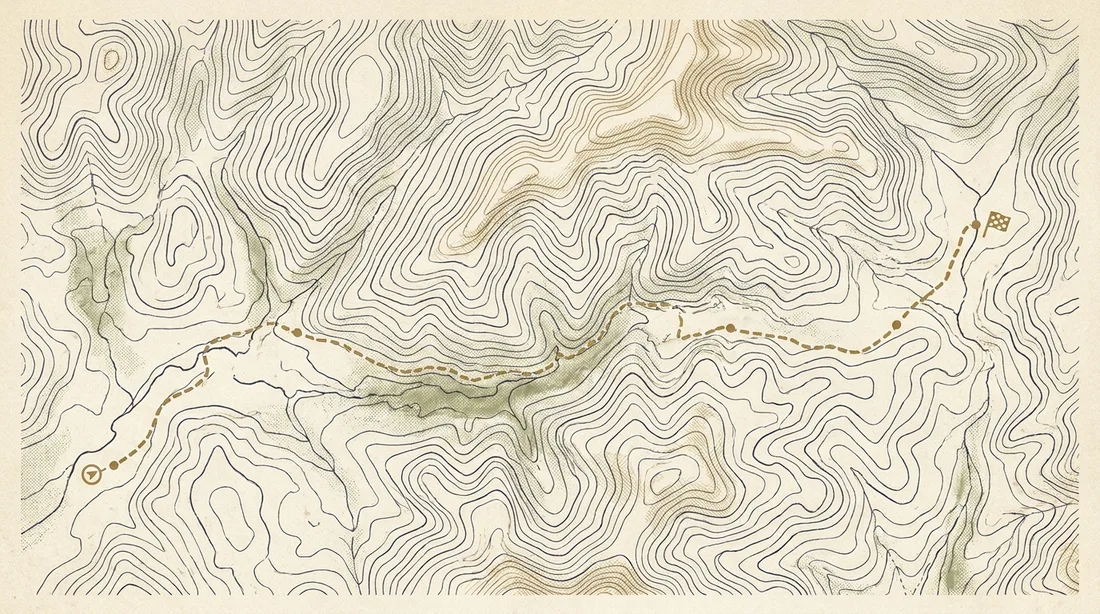
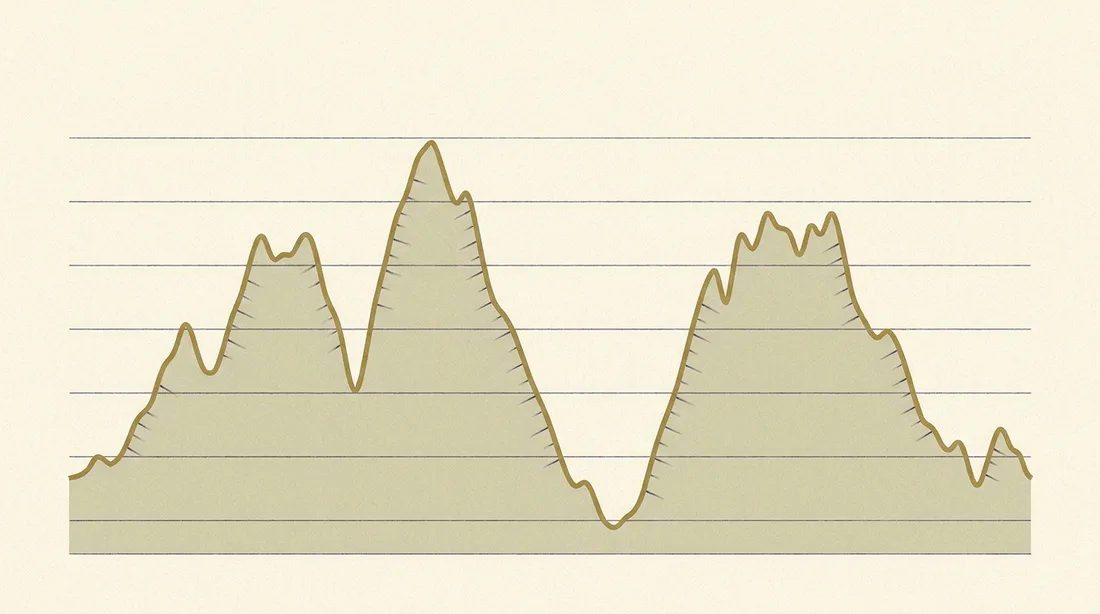
Drop in a GPX and pick a goal. You get the course, splits that match how you actually climb, an eating schedule, drop bags, crew notes, and the cutoff math. All the stuff you normally cobble together the week of, from four spreadsheets and a forum thread.


200 cal + 16 oz every aid from mile 15
same race, same runner: first the read, then the marching orders
Twenty two hours of patience, then two of courage. Three rules carry the whole day:
THE OPERATION
MI 62.0 · 18:21 ARRIVAL
- ▸Spare socks · injinji × 2
- ▸Glide + chamois butter
- ▸Caffeine gels × 6
- ▸500 cal solid food
- ▸Long sleeve · merino base
- ▸Headlamp + spare battery
- ▸Watch charger · cable
- ▸Toothbrush · floss
We already did the homework
We wrote course guides for 325 trail and ultra races. Splits, vert, where people blow up, whether the cutoffs are generous or mean. There are ten free calculators too, pacing and fueling, the works. No login for any of it. Go check our work.

Your training, projected to race day
One curve reads the whole season. Fitness rising, fatigue clearing, form landing race week. The dashed part is your plan carried forward, and if it leaves you undercooked on the start line, it says so out loud.

* Projected from your own runs at matching grades, degraded mile by mile for ultra fatigue. A projection, not a promise.

Three things we never fake
Every number is yours
Nothing here comes from a generic pace table. If you have never run a steep grade at altitude, the model knows that too.
A projection, not a promise
You get the math and the margin. What we think you will run, the cushion at every cutoff, and where it is most likely to go sideways.
Built for the dirty distance
Vert, heat, night legs, drop bags, cutoffs. Tuned for the back half of a hundred, not a road 5K.


How it works

- 01Garmin · Coros · Suunto
Connect your watch
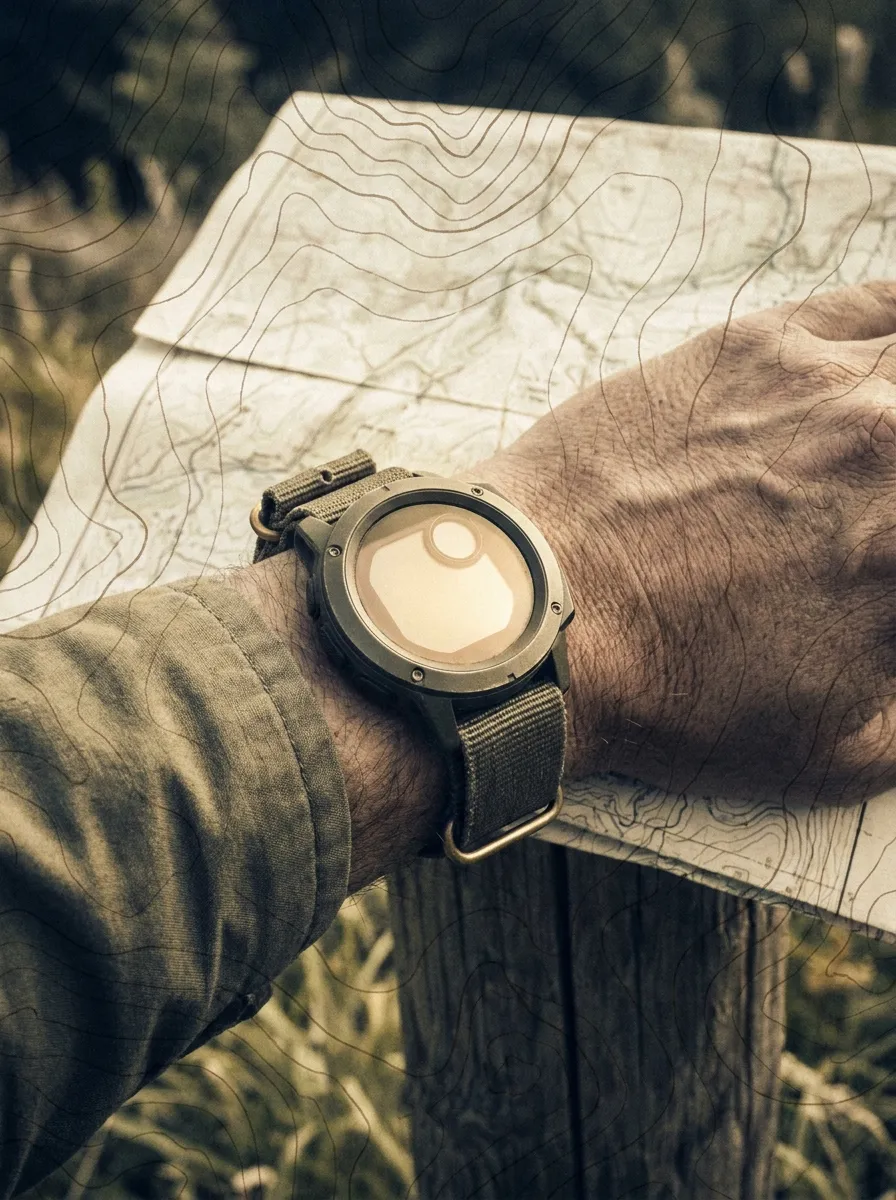
Garmin, Coros & Suunto, thirty seconds. Your whole history streams in and stays in sync, and new runs show up on their own.
- 02CTL · ATL · TSB
We read the load
Your fitness curve, your paces by grade, true best splits, and the patterns in your notes. Built from every run, not just the last one.
- 03Built for the course
Your race forecast
A projection built for your course, a polarized plan to race day, an AI brief, and the drop bag and crew sheets that win ultras.
I have run enough ultramarathons to know my problem was never effort. It was that none of my numbers talked to each other. My fitness lived in one app and only graded last week. My race pacing came out of a calculator that had never met my training. My fueling was a spreadsheet. The week before a race I would stitch it all together by hand and hope the guesses agreed.
Summit Line is what I built instead: one place where the numbers talk. It reads what I actually run, every mile and every grade, works out my real fitness, and builds everything off that, the training plan, the race pacing, the fueling, the cutoff math. Then it does the same with your runs.
There is no growth team here and no fake countdown timers, just one guy with a laptop and a hydration vest. If something is wrong, email me, and the person who reads it is the person who can fix it.

What it costs, no ambush
I hate hunting through pricing pages too. This is all of it.
No tiers chart, no sales call, no surprise at checkout.
Questions, answered straight
Is my data safe?
Summit Line connects to your watch account with read only access. We never change your activities and never sell your data. Disconnect any time and your data goes with you.
What distances is it for?
Anything, but it earns its keep on the long stuff: 50Ks to hundred milers, big vert, heat, night sections, and cutoffs. The projection and pacing model is built around your course.
Is it a coach?
On its own it is instruments. It reads your training and projects your race so you can make your own calls; the AI brief is a second opinion, not a prescription, and not medical advice. If you want a human coach, they can work with you on Summit Line directly (see below).
Do you support coaches?
Yes. Coaches get their own console: invite athletes by email, prescribe workouts on a drag and drop calendar, read each athlete’s fitness and races, and run race day. It is $35 a month for 3 athletes, then $8 each. Athletes ride your seat, so they never pay separately, and they control what they share.
What does it cost?
It is free to start, no credit card. You can log your runs by hand and use the app for free for as long as you like. The watch sync, the coach, and the AI are the paid features, $12 a month or $99 a year, and you only decide if and when you want them.
Coach your athletes on the same instruments
Bring your runners on. Prescribe the week on a drag and drop calendar, see who is cooked and who is cruising, and run race day with them. Athletes ride your seat, so nobody pays twice.
- Your whole rosterInvite athletes by email. They accept and choose exactly what they share.
- Prescribe the workDrag workouts onto each athlete's calendar; they sync straight to the watch.
- Read every athleteFitness, fatigue, form, adherence, and how each session actually went.
- Own race dayPacing, fueling, crew, and drop bags, dialed in on their goal race.